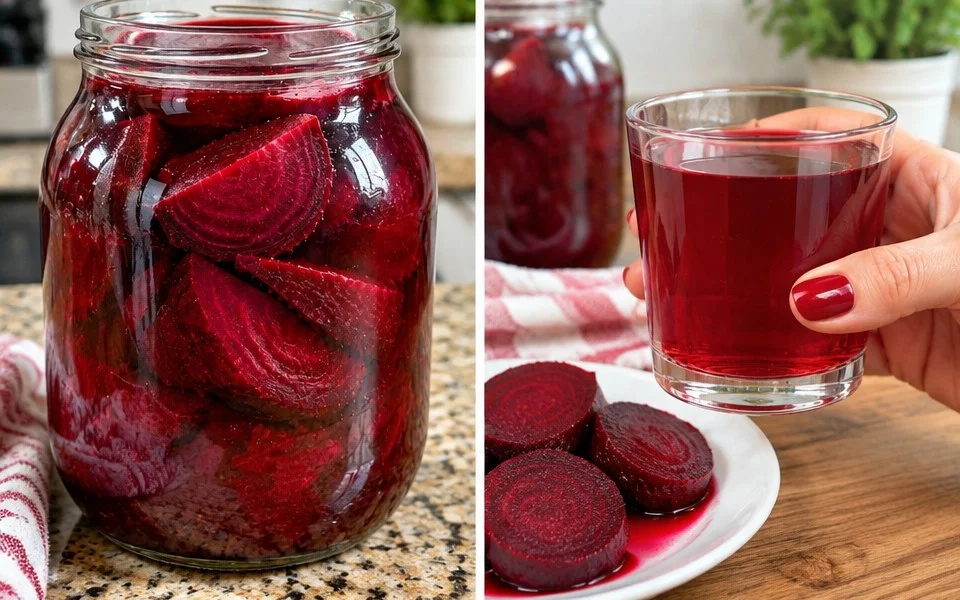
Fermented beets are a simple, natural way to add probiotics to your diet while enjoying the deep, earthy sweetness of fresh beetroot. This recipe not only gives you tangy, crunchy fermented beets but also produces beet kvass, a traditional fermented drink valuable for gut health. It’s perfect for anyone looking to experiment with homemade fermentation and boost their digestive wellness naturally. If you enjoy wholesome, easy-to-make snacks or drinks, fermented beets might become your new favorite. Plus, this process is straightforward and requires only three ingredients, making it accessible for any home cook. For a nutritious breakfast twist, you might also like this high-protein carrot cake overnight oats that tastes like dessert.
Why This Recipe Is Helpful
- Uses simple, wholesome ingredients likely already in your kitchen.
- Fermentation is a low-effort process that delivers flavorful, probiotic-rich foods.
- The recipe offers both a tasty fermented vegetable snack and a refreshing probiotic drink.
Best For
This recipe suits anyone curious about fermentation or looking to add gut-friendly foods to their routine. It’s also great for those who appreciate earthy, tangy flavors and easy prep.
Be Careful If
People sensitive to fermented or high-fiber foods should start with small portions to avoid digestive discomfort. Ensure the beets stay submerged to prevent mold.
Ingredients
- Enough fresh beetroot to loosely fill a large clean jar (about 2–3 medium beets, roughly 500–600 g / 1.1–1.3 lbs)
- 1 liter (4¼ US cups) water
- 1 tablespoon (15 g) salt
Ingredient Notes
- Use fresh, firm beets without blemishes to ensure quality fermentation.
- Non-iodized salt such as sea salt or kosher salt is preferred to avoid inhibiting fermentation.
- Clean, filtered water is best for consistent results without chlorine.
Kitchen Tools Needed
- Large glass jar (at least 1 quart / 1 liter capacity)
- Vegetable peeler or knife
- Cutting board
- Measuring spoons and cups
- A clean container or bowl for mixing brine
- Cloth or loose lid to cover jar
Step-by-Step Instructions
- Rinse the beets thoroughly to remove soil and impurities.
- Peel the beetroot with a vegetable peeler or sharp knife.
- Chop the peeled beets into bite-sized pieces that will fit comfortably in your jar.
- Place the chopped beets into your clean, large jar. Leave some space at the top to accommodate gases formed during fermentation.
- In a separate container, dissolve 1 tablespoon of salt in 1 liter of water, stirring thoroughly until fully dissolved.
- Pour the saltwater brine over the beets, making sure they are completely submerged. You can use a fermentation weight or clean small object to keep the beets underwater.
- Cover the jar loosely with a lid or cloth to allow gases to escape during the fermentation process.
- Store the jar at room temperature, away from direct sunlight, for 5 to 7 days. You might see bubbles forming—this means fermentation is active.
- After 5 days, taste the beets. They should have a pleasant, tangy flavor and the liquid (beet kvass) will be mildly sour and refreshing.
- Refrigerate the jar to slow fermentation and preserve the beets and kvass.
- Serve the fermented beets as a probiotic snack or sip the beet kvass as a natural tonic to support digestion.
Pro Tips
- Keep beets fully submerged to avoid mold; consider using a fermentation weight or a small clean jar inside the larger jar.
- Start tasting around day 5 to find your preferred level of tanginess.
- Store fermented beets in the fridge once you’re happy with the flavor to maintain freshness.
- Sanitize all tools and jars beforehand to promote healthy fermentation.
Lighter Swaps
The original recipe works best as is—fermentation relies on simple ingredients and procedures.
Common Mistakes
- Not keeping beets submerged can lead to unwanted mold.
- Sealing the jar tightly can cause pressure buildup and jars to burst.
- Using iodized salt may inhibit fermentation.
Serving Suggestions
Enjoy fermented beets as a side dish, add them chopped to salads, or enjoy beet kvass as a tangy beverage alongside meals.
Storage Instructions
Keep the fermented beets refrigerated in a covered jar for up to 2–3 weeks; fermentation will continue slowly in the cold.
Reheating Tips
Fermented beets and kvass are best enjoyed cold or at room temperature; heating is not recommended as it can kill beneficial bacteria.
Nutrition Estimate (per ½ cup serving of fermented beets without kvass)
- Calories: 40
- Protein: 1 g
- Carbohydrates: 9 g
- Fat: 0 g
Values are estimates and may vary by ingredients and portion size.
Recipe Summary
Prep Time: 15 minutes
Cook Time: 0 minutes (fermentation takes 5–7 days)
Total Time: 5–7 days
Servings: About 4 servings
Cuisine: Fermented / Gut-friendly
Course: Snack / Beverage
Calories: 40 per serving
Frequently Asked Questions
Q: Can I use beet greens in this recipe?
A: It’s best to ferment beetroot itself; greens have a different texture and fermentation profile.
Q: How do I know if fermentation went wrong?
A: If you see fuzzy mold or smell rotten odors, discard the batch and start fresh.
Q: Can I speed up the fermentation process?
A: Fermentation speed depends on room temperature; warmer environments ferment faster but don’t rush it to preserve flavor and probiotics.
Fermenting your own beets is a rewarding, simple process that brings a tangy, probiotic-rich flavor to your table. Whether you eat the beets or sip the kvass, you add a homemade touch to your wellness routine that’s both tasty and natural. Give it a try for a straightforward way to expand your kitchen repertoire.
Have you made this recipe?
Share how it turned out or leave a helpful tip for the next cook.
0 comments